There are increasing rumours that Jeremy Corbyn is about to come out in favour of a second referendum.
It is too little, too late.
Of course, Labour’s numbers are needed in Parliament to deliver the opportunity to go back to the people. However, A People’s Vote is not, for many of us, an end in and of itself. It is a means to an end, to remaining in the European Union. For many of us, too, Brexit is something else and more fundamental: it is a proxy for a debate about the kind of country we want to live in.
Do we want to live in a United Kingdom that is optimistic and tolerant, that is internationalist and a leader in the community of nations, that celebrates diversity, that champions small businesses and innovation? Do we want a country that wants to reform and strengthen our democratic institutions, and place tackling the climate and environmental challenges of our age and inter-generational fairness at the centre of our politics?
Or do we want to live in a country that wants to subordinate the rule of law to a nebulous concept of the popular will, framed by a past that never was, that indulges the election of representatives with the vilest of views on a divisive platform of isolation and victim-hood? That doesn’t care about the internal inconsistencies of Farage’s behaviour with his words, or this new force’s inherent lack of internal democracy, where otherwise reasonable people support the most unreasonable and objectionable policies, in support of an incoherent and undefined objective?
This is about world views. This is not about process.
However, process seems to be the singular obsession for the Labour Party. Just as it is still debating a People’s Vote, it is expelling Alistair Campbell for in exasperation supporting a party that clearly wants one, Jeremy Corbyn’s media outriders explaining why this is in line with process (though curiously silent on other, more awkward examples). And it is embroiled in a shameful investigation by the Equalities and Human Rights Commission into allegations of anti-Semitism about whether or not its processes were adequate and up to the job.
Just let that sink in. The EHCR has only investigated one other political party: the British National Party, the political repository for Britain’s fascists.
A People’s Vote, party expulsions, anti-Semitism failings, all of this shows a party that is so wrapped up in managing its internal contradictions that it has no energy left to focus on the absolute and immediate threat that the Brexit Party represents. Farage is propagating a world view, not simply a position on Brexit. He is framing a narrative of betrayal and victimhood, with Labour and the Conservative Party squarely in his sights.
This is the ugly, brutal war of identity politics that
no-one wants, but that everyone is going to have to fight. The local elections
and the European elections demonstrate that the Liberal Democrats are
understanding this.
One swallow doesn’t make a summer. Arguably, nor does two. However, these two sets of elections do bode well for a fundamental shift in the political weather for the Liberal Democrats, who are positioning themselves as the serious challenger to Farage’s world view. It is a stark contrast with a Labour Party that seems obsessed with the processes for managing its warring factions or containing – perhaps even defending – its more unpleasant tendencies.
We do not have time to let the mendacity of Farage take root and take hold of our politics. We do not have until the end of September for Labour to decide whether or not it backs a process to potentially enable a counter-view to Farage’s narrative to prevail. If Labour want to remain relevant, it needs to be the standard bearer for Remain’s world view now – not in four months’ time.
It needs to come out clearly and back not just a process, but a coherent view that can prevail over that of a party that is not seeking to negotiate or compromise with the rest of us, and that is appropriating the language of democracy in order to subvert it.
If Labour even had its hands on that standard, its broken fingers are being prised from the shaft by Remainers who are more than prepared to fight for the country they love – and the European identity that defines them – under the banner of the Liberal Democrats.
Tonight, we find out the results of the European Elections. Here in the UK, they will not be pretty.
Whilst we lumbered towards polling day, the Conservative Party and the Labour Party enduring daily humiliation on the national media as they alienated more and more of their base vote, Lewis Goodall spent time observing the phenomenon that is Nigel Farage and his political reincarnation as leader of the Brexit Party.
Goodall filmed his experiences, from the party’s inaugural rally
and throughout the campaign, for Sky News. It makes for chilling viewing and reveals
just how much our politics has changed, despite the fact that our two principal
protagonists have not. He revisited his arguments in this piece
for the Guardian:
Brexit now isn’t even his principal concern, its failure the mere embodiment of a wider malaise. Instead, the collapse of the Brexit process is proof of his new analysis: that British democracy does not work and does not even exist. Worse, that every organ of the state and political life, be it the parties, the media, the courts – parliamentary democracy itself – are malign and work against the interests of “the people”. Never before have we had a major political force that operates with that basic reflex.
I think he is right. This is a new politics and we ignore it at our peril.
“Everyone sees what you appear to be, few experience what you really are.” ― Niccolò Machiavelli, The Prince
This Farage is angrier. His politics is darker.
He is conscious he has been a figure of ridicule and now he
wants vengeance.
It is not a single decision around Brexit that is motivating him, but the destruction of our current politics and, along with it, the institutions that ensure a functioning liberal democracy in which debate and reflection and consideration predominate. He is aided by the catastrophic failure of the two main parties to use our democratic institutions to deal with the consequences of the 2016 referendum.
Those of us who know Farage to be a liar, who call out his
hypocrisy, his abuse of public funds and his complicity in the breaking of
electoral law, simply reinforce his victimhood narrative of betrayal.
We would say that, wouldn’t we? After all, aren’t we are
part of the establishment that has failed to deliver Brexit and that has
betrayed democracy?
Think about the origins of this new politics.
The 2016 referendum forced a binary choice on people. It demanded people pick a side. What was not properly understood at the time by Remain, yet exploited brilliantly by Leave, was how that choice could serve as a summary of political grievance. Neither group is homogeneous and yet that experience has created a more durable identity than traditional party loyalties.
“A man who is used to acting in one way never changes; he must come to ruin when the times, in changing, no longer are in harmony with his ways.” ― Niccolò Machiavelli, The Prince
On reflection, this should come as no surprise to us.
Our institutions of representative democracy are designed for iterative decision-making. For compromise. They are not designed to service the implementation of an advisory referendum as some bastardised version of direct democracy.
In 2015, David Cameron’s Conservative Party traded a long history of mastering the politics of pragmatism for short-term fixes to appease its own internal Euro-theological insurgency. As a consequence, it now risks schism, unable to contain its once-broad church in a single political entity.
The Labour Party has a similarly potentially catastrophic
faultline, between Brexit-inclined socialists and pragmatic, internationalist
social democrats, both claiming the heritage of a rich and diverse Labour movement
as their own.
The divisions in both parties have been driven by their respective leaderships attempting to address the results of the 2016 referendum, conscious that Leave ‘won’, and terrified of alienating those Leave supporters for whom their new identity is a better shorthand for their politics than their traditional party loyalties. Our existing party duopoly is proving unable to adapt on its own terms to the brutality of this new politics of identity and, simultaneously, maintain a steady political course using the traditional levers of democracy.
Amid this collapse in confidence and the resultant vacuum of
leadership, the Brexit Party has arrived.
In six short weeks, it has capitalised on the inertia of the
main political parties, advancing an identity politics that is powerful enough
to attract support despite the myriad accusations that, if true, should be more
damning of the political hypocrisy of Farage and friends than even of Boris or
McDonnell.
Do not think this is just luck or happenstance. It is a deliberate
play to capture the political mainstream.
Think about Sam Holloway’s brilliant investigation
of the Brexit Party’s candidates on Medium. Or think about Byline’s forensic
examination of Farage’s PayPal finances, even before considering the
friendly £450,000 bung
from Aaron Banks.
Surely anyone alarmed at the state of our democracy would
run a mile from such charlatans. And yet, those who see their political
identity wrapped up in Brexit, and specifically the ‘betrayal’ of Leave, can
subordinate any such critical reflection to enthusiasm for an entity that
encapsulates their identity in a new political force that is single-minded and
invigorated with ruthless organisation, money and American-style campaign techniques.
Remainers complain about Farage’s airtime. I know I have. In truth, though, he has been on the battlefield, whereas May and Corbyn left it. Remain voices are fragmented and spread across smaller parties and locked inside – but apart from the leadership of – the Conservatives and Labour. His rallies, his talk of flags, of betrayal, all fuelling a betrayal myth and a sense of victimhood that gives permission to his supporters to shout ‘traitor’, should terrify us with its implications. He is marrying an old narrative to new techniques taken from Trump and Italy’s Five Star Movement.
And we should not be surprised that politics is now so much
about identity.
So many of the causes we, as liberals, have championed have been based on self-expression, on providing space for people – rightly – to be who they wish, love who they wish, and act how they wish. That has provided space for others who feel their own identity threatened to congregate behind those who, in the end, are crooks, liars and hypocrites looking for a political opportunity to exploit. They have been offered a more appealing story, one that resonates with their sense of identity, and whilst we might hate it, that story is succeeding where ours is failing.
Crucially, the narrative Farage is creating is based on negatives that need not be proved and cannot be disproved: he is not justifying what has been done, he is pointing out what hasn’t and turning that into a simple and powerful political message.
Where does this culture war between two political identities
lead?
It could lead to the replacement of the Conservative Party by Farage’s Brexit Party, or its fundamental remoulding in its image. Neither are edifying prospects. The Conservative leadership candidates seem almost wholly seized of the need to tack towards the winds on which Farage sails, pitching themselves according to their preferred constituency of interest, but not challenging the course. What will that leave them to say to their Remain voters, who are inevitably younger and politically agile?
For Labour, in some ways the situation is worse.
Deputy Leader Tom Watson fears
a wipe out if they cannot agree on a People’s Vote. But this is no longer
about process or, ultimately, even Brexit. It is about what Brexit represents,
for our nation’s future, our children’s prospects, and the kind of politics we
want to characterise our country. It is not just their failure to commit to a
People’s Vote that risks consigning Labour to the sidelines, and ultimately to
history, it is Labour’s failure to commit to Remain, to continue to deny that this
is a very different political battle, where its protagonists cannot rely on the
weight of historical forces, but must harness the energy and anger of now.
So, there has to be a strong chance that one side in this culture war will be represented by either the Brexit Party or a Conservative Party that eventually adapts in an isolationist, nationalistic direction to survive. At the same time, Labour, obsessed with process, and riven by conflicts over ideological purity versus pragmatic politics, its factions determined to prove they are the genuine torchbearer of the Labour movement even at the risk of even greater disconnect with a tired and angry electorate, could find itself increasingly distrusted, irrelevant and incapable of representing the other.
Naturally, both Labour and the Conservatives will take their lessons from tonight’s results.
McDonnell began expectation management on Sophie Ridge this morning, acknowledging they were going to take a drubbing but that their approach was the right one, of appealing to both sides. That is to misunderstand the unpleasant dynamic of this political battle. It is a conflict between two different world views. One must prevail before healing and reconciliation can begin. To pretend it is not there is to patronise and disrespect an electorate that cares so much about it that voters are prepared to abandon long-held political identities to give voice to their view.
The Conservatives, similarly, have been managing expectations, talking up the possibility of being wiped out in these elections. Theresa May having failed to introduce the politics of compromise to a charged and binary debate, the Tories are now embroiled in a leadership contest which will see them tugged further and further to the right, desperate not to cede the mantle of Union Jack patriotism and the language of national self-determination to the cyan arrows of the Brexit Party.
“All courses of action are risky, so prudence is not in avoiding danger (it’s impossible), but calculating risk and acting decisively. Make mistakes of ambition and not mistakes of sloth. Develop the strength to do bold things, not the strength to suffer.” ― Niccolò Machiavelli, The Prince
Whatever the results prove to be, Liberal Democrats – and our
new leader, whoever that is – face a very difficult choice.
Our politics eschews the dangerous fundamentalism of
identity, whilst at the same time respecting the individual and the role of
community. We want to see a coming together, just at a point when our politics
has been framed as its most divisive. We prefer the rational politics of
discussion, negotiation and compromise to a language that uses the metaphors of
conflict.
Despite my own instincts, I am coming around to the view
that we need to accept this new framing and not fight it, not in the short
term. Instead, if Labour and the Conservatives are so paralysed by their
inability to manage the complex competing interests within, the Liberal
Democrats must articulate the counter narrative in a simple way, whatever the
devastating effect on the traditional structure of our party politics.
The fact that our historic bases of support have been
destroyed is possibly – and ironically – our greatest asset. We cannot rest on
our laurels. They are being remade, in the local elections and the European
elections, in a fundamentally different way – not geographic, not rural or
urban, but amongst those who see Remain as a better expression of their
political values. Where there is latent support, in parts of the country that
retain a historic loyalty, it should bolster our reinvention, not define it.
Corbyn’s analysis
of Brexit is wrong. In a speech before the European Elections he said:
“Some people seem to look at the issue the wrong way round –
they seem to think the first question is leave or remain, as if that is an end
in itself. I think they’re wrong. The first question is what kind of society do
we want to be?”
People are not
stupid. They have already asked themselves that question.
They have listened to politicians of all parties and they have
chosen the box that most accurately summarises their political identity. The
Conservative and Labour leaderships have accepted the result of the 2016
referendum unquestioningly. They have seen Brexit (whatever that is) as a
political destiny that must be fulfilled whatever the cost, whatever the
challenge. Then, in their failure to make clear offers to the 94% who have adopted
the labels of Leave and Remain, they have reaffirmed those labels as more
reliable political identities.
Of course, some have since reconsidered and feel they were lied to, or that the conduct since has been disrespectful to the result, so they have moved from one box into the other. But those boxes are there and remain strong – and perhaps even stronger than the way in which people previously shorthanded their politics.
Corbyn’s mistake is to believe he can simply disregard the
choices people have made and appeal above their heads in a way that enables him
to ignore the deep divisions in his own party and hope to move the agenda on.
He cannot. Because in doing so, he is not listening to and respecting the views
of people who are defining themselves by labels that represent fundamentally
different outlooks on the sort of country and world they wish to live in.
If the Liberal Democrats want to break open those boxes, as
our fundamental philosophical values dictate, if we want to bring our country
together, to return to a more rational and liberal public discourse, we need to
put ourselves in a position to drive that change.
That means not fighting the next General Election as if it is the previous one, as we sometimes do. It means not re-fighting the 2016 referendum. And it means not fighting the General Election we would like to fight, on a platform of complex, positive messages that seek compromise and healing, if that does not address the way voters see themselves.
It means fighting the next election for the election it is almost certain to be, on the appalling battlefield of binary identity politics. It means completing our transformation into being the ruthless opposition to Farage and becoming the point of congregation for all those whose values are best summarised by the identity of Remain. It means looking to the same techniques as those adopted by the Five Star Movement and even Trump, at least in terms of how to propagate a message and organise to win, if not content.
In doing so, it means working within a political framework
that reinforces binary politics. A House of Commons that services a government
and opposition, not a fragmentation on either side. A media that, schooled in such
parliamentary politics, struggles with anything more complicated than a discussion
between ‘for’ and ‘against’ without resorting to crass
and inadequate vox pops.
‘Bollocks to Brexit’ is an encouraging start.
Some have decried it as vulgar, a contribution to the coarsening
of our politics. However, it is everything that statement stands for that
matters. Its adoption by people who would not normally use such language, but
who fear a world that is positive, internationalist, respects and protects the institutions
of liberal democracy, is determined to combat climate change, is
intergenerationally fair, and thrives on technological innovation and
small-scale entrepreneurship rather than corporate behemoths, is under serious
threat.
Our challenge will be ensuring that, in leading with such a
sharp edge, the messaging head does not become detached from the body of values
behind. We should never resort to the lies of Farage. We should also show a
measure of respect for the supporters of our opponents that we can expect not
to be returned.
However, it also means prosecuting the case on behalf of
those millions of people who believe in a positive, open future for Britain without
apology or equivocation, confidently, and knowing that the only way to rebuild
our political system is to use this moment to own it and subvert it.
We need to harness the anger and fear of Remain to drive a positive vision of the United Kingdom, that tells an exciting story about who we are. A story that, ironically, is more in touch with our historic values than anything offered by Farage and that might just signpost a way to a kinder, gentler politics.
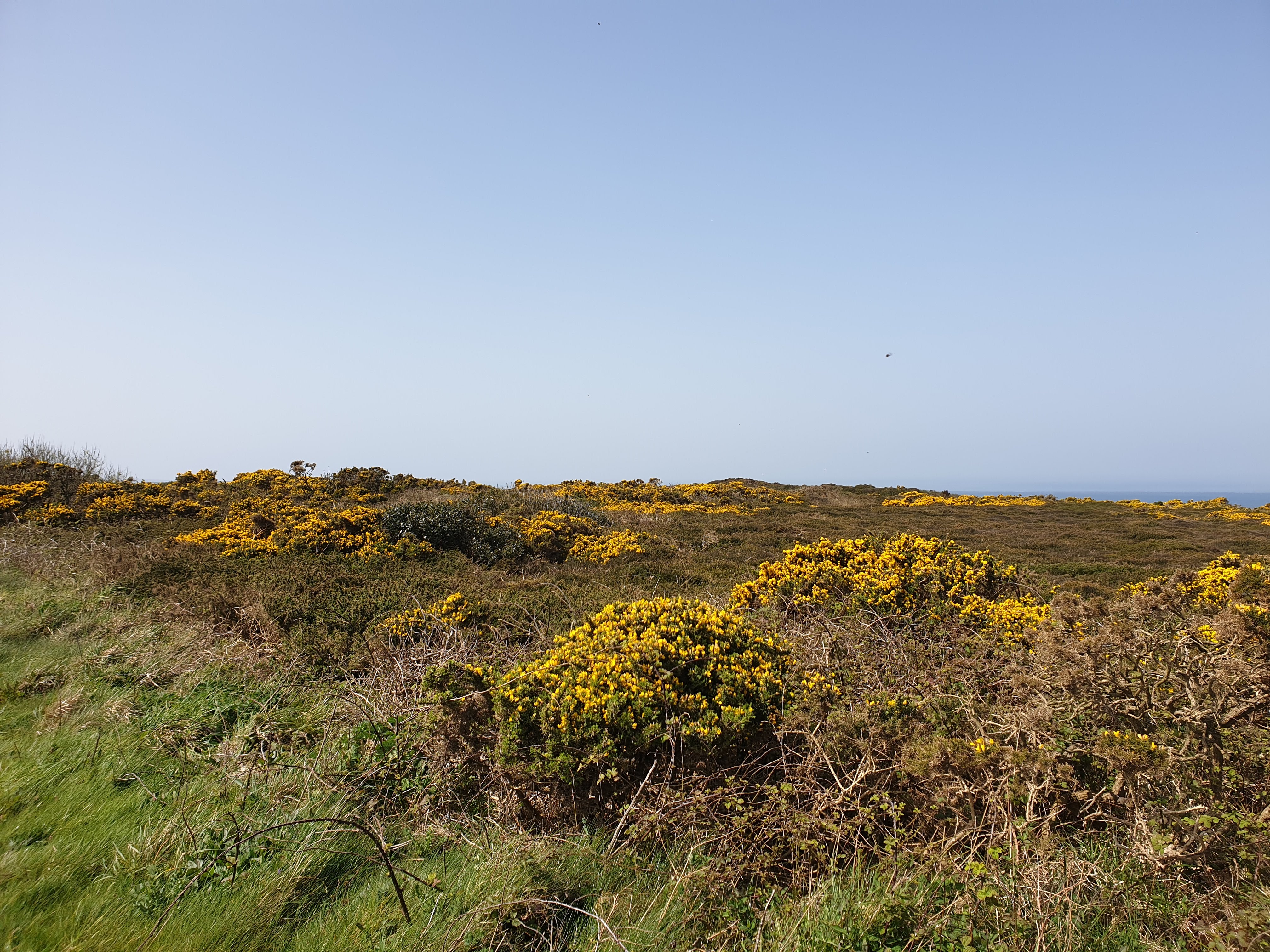
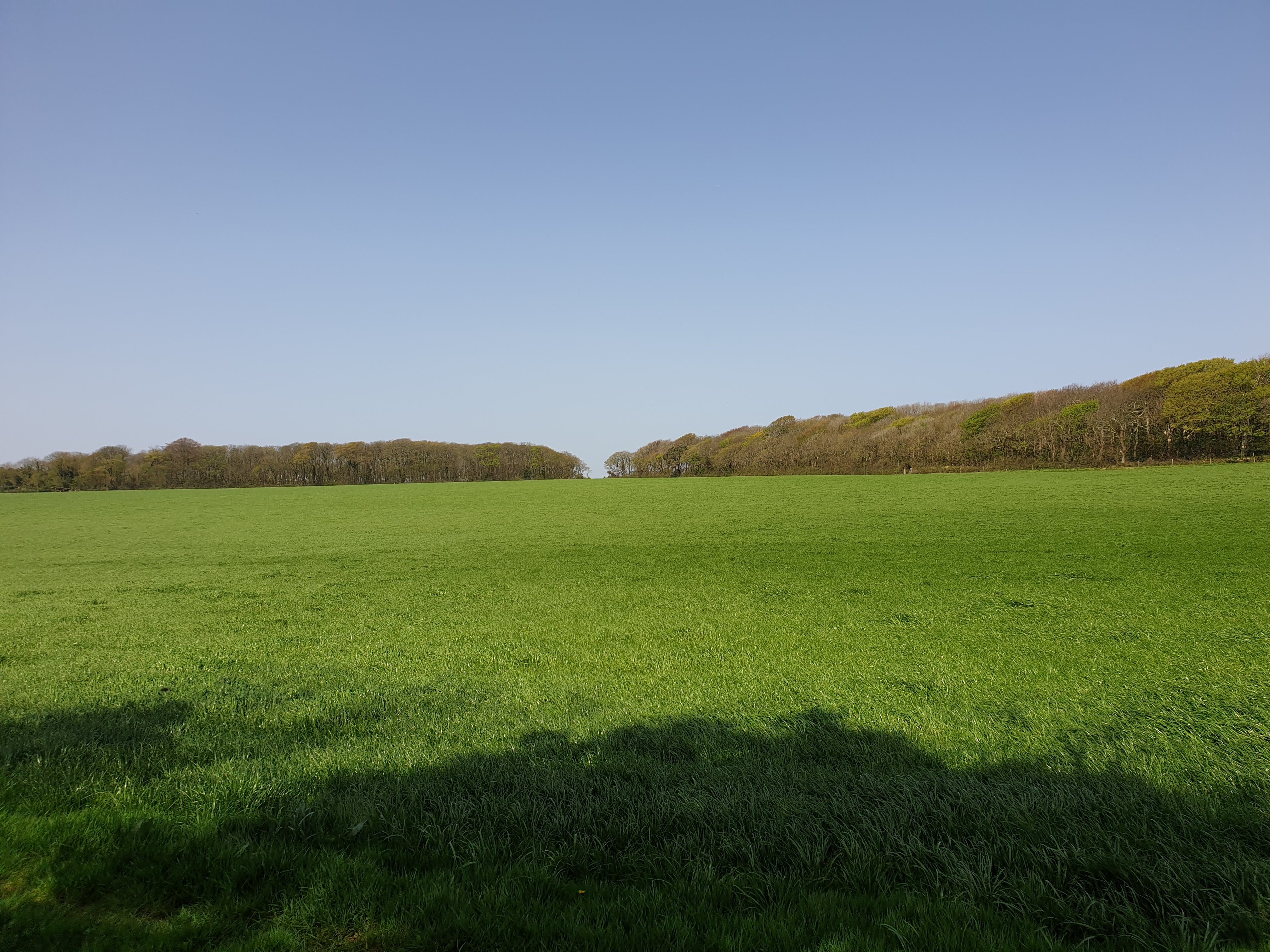
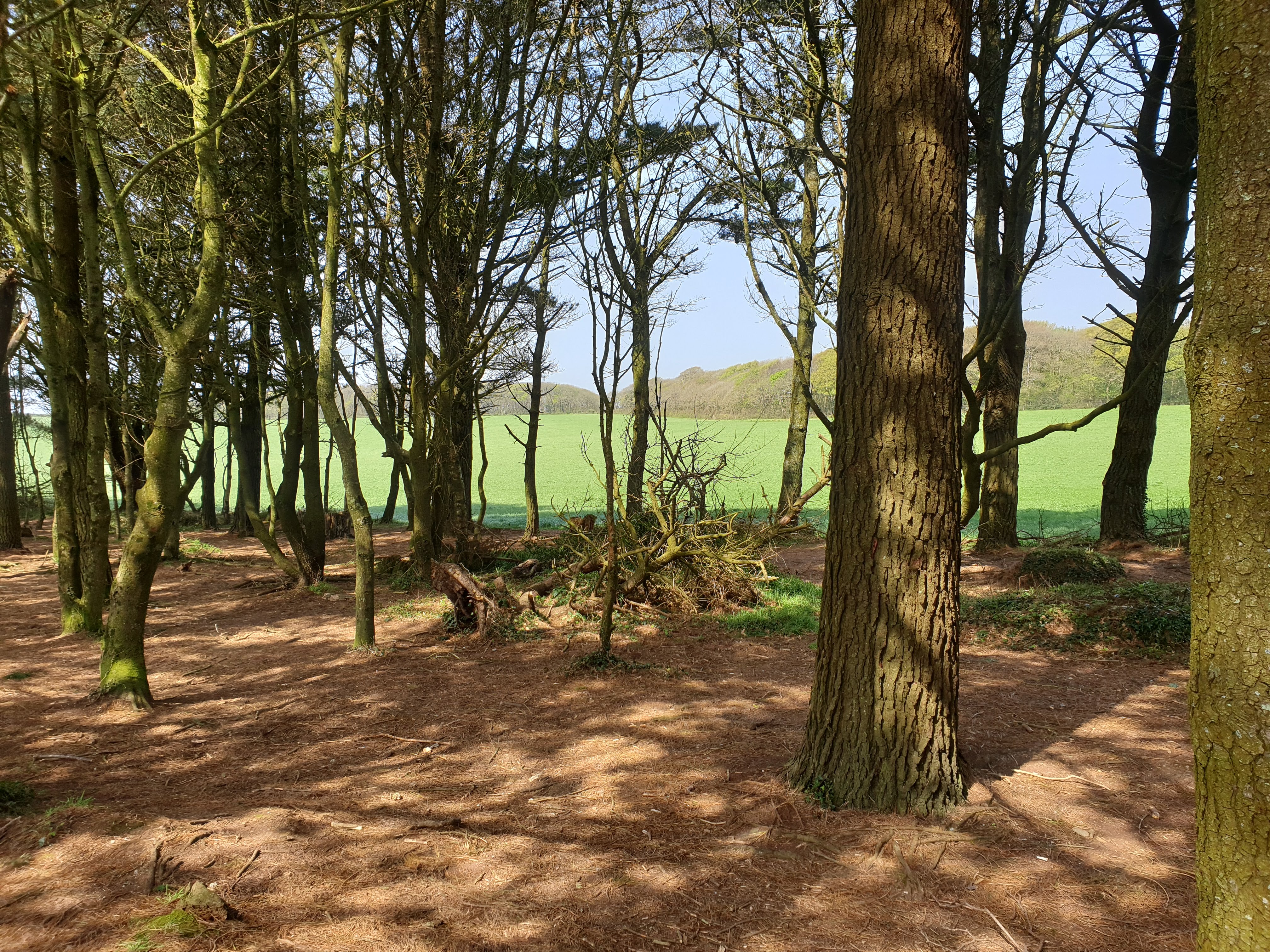
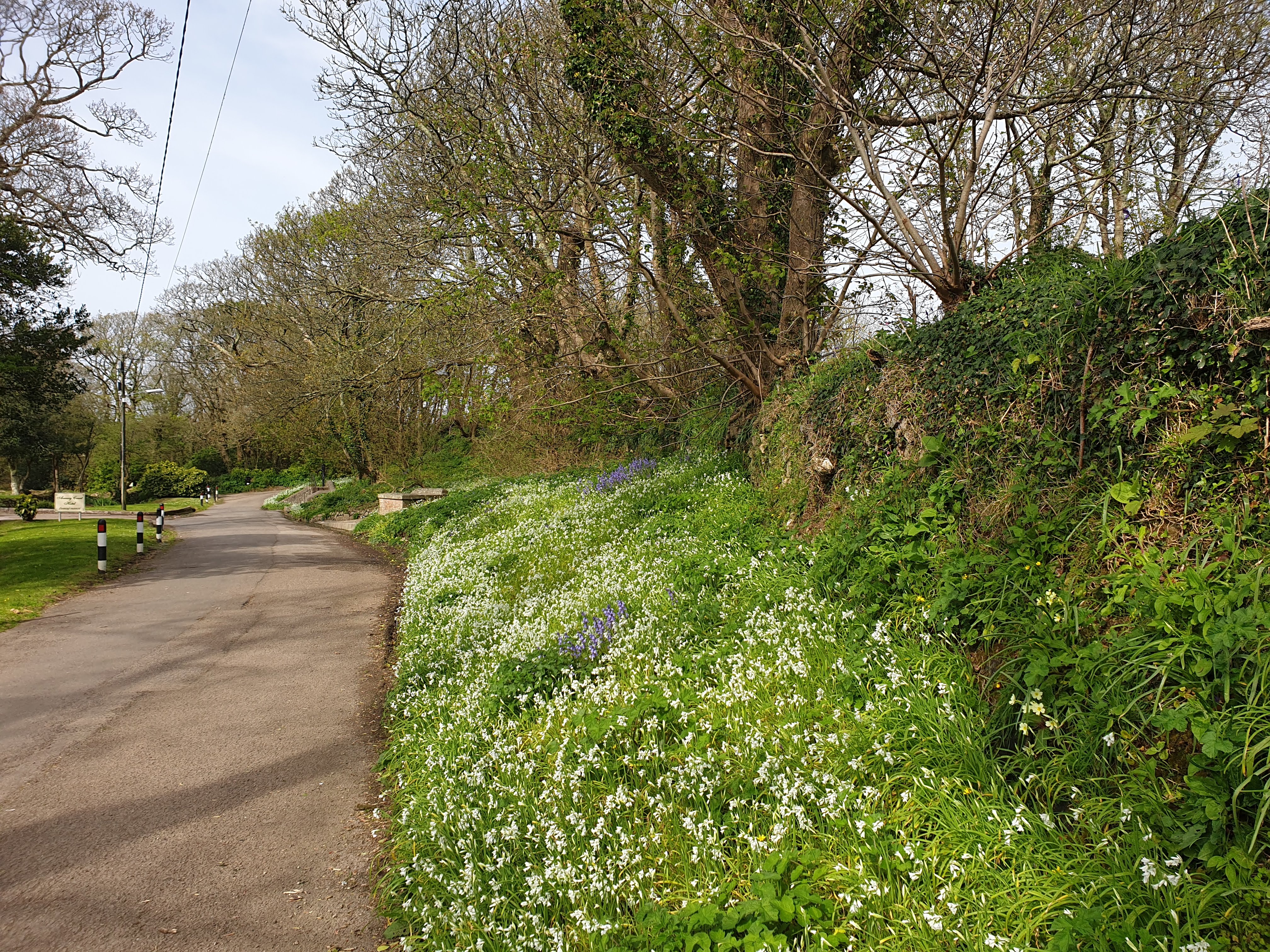
Cornwall has long been my bolt hole from the world, where I come to switch off. I find myself back here for the second time in a week, spending this glorious Easter weekend with family.
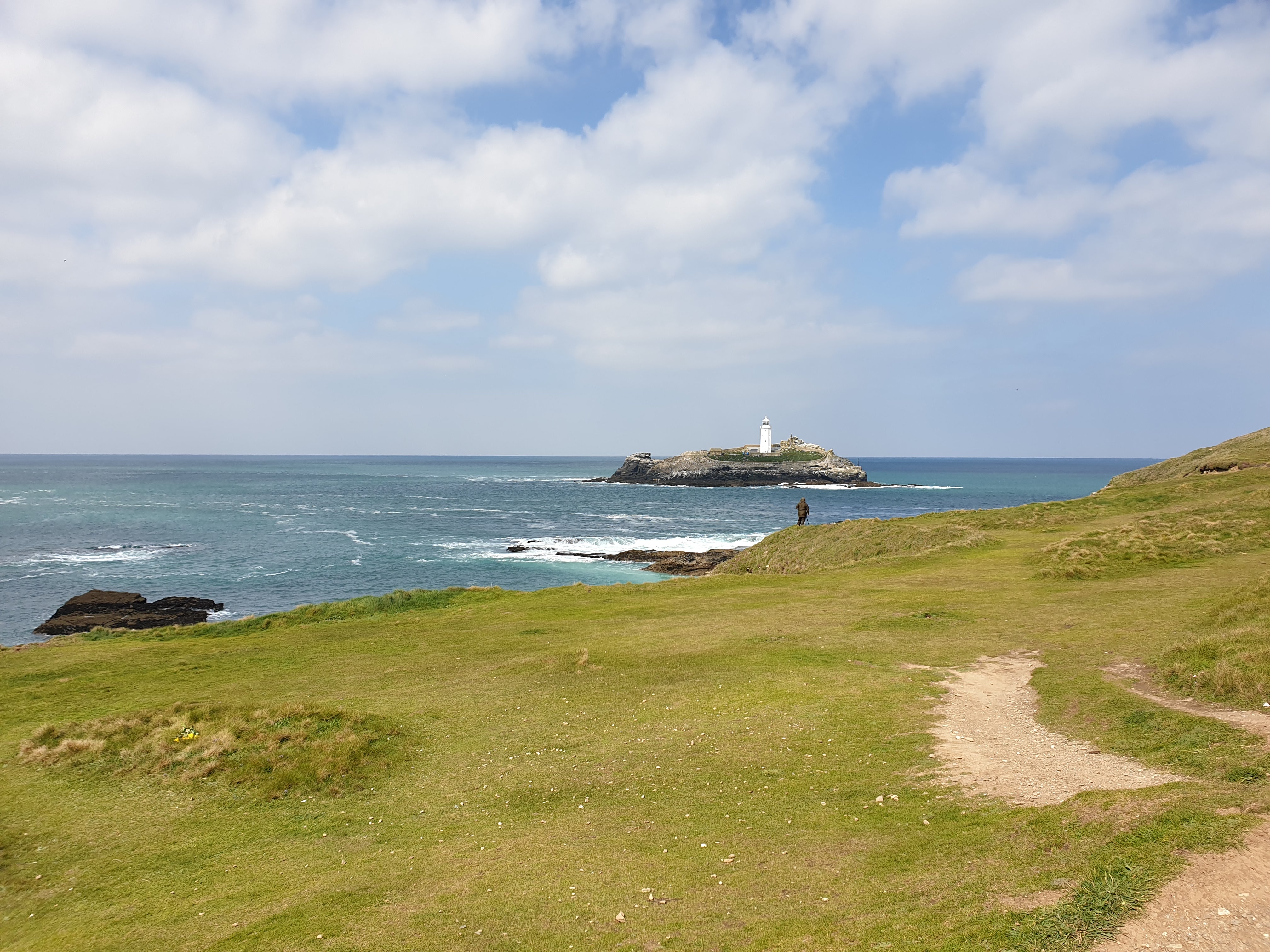
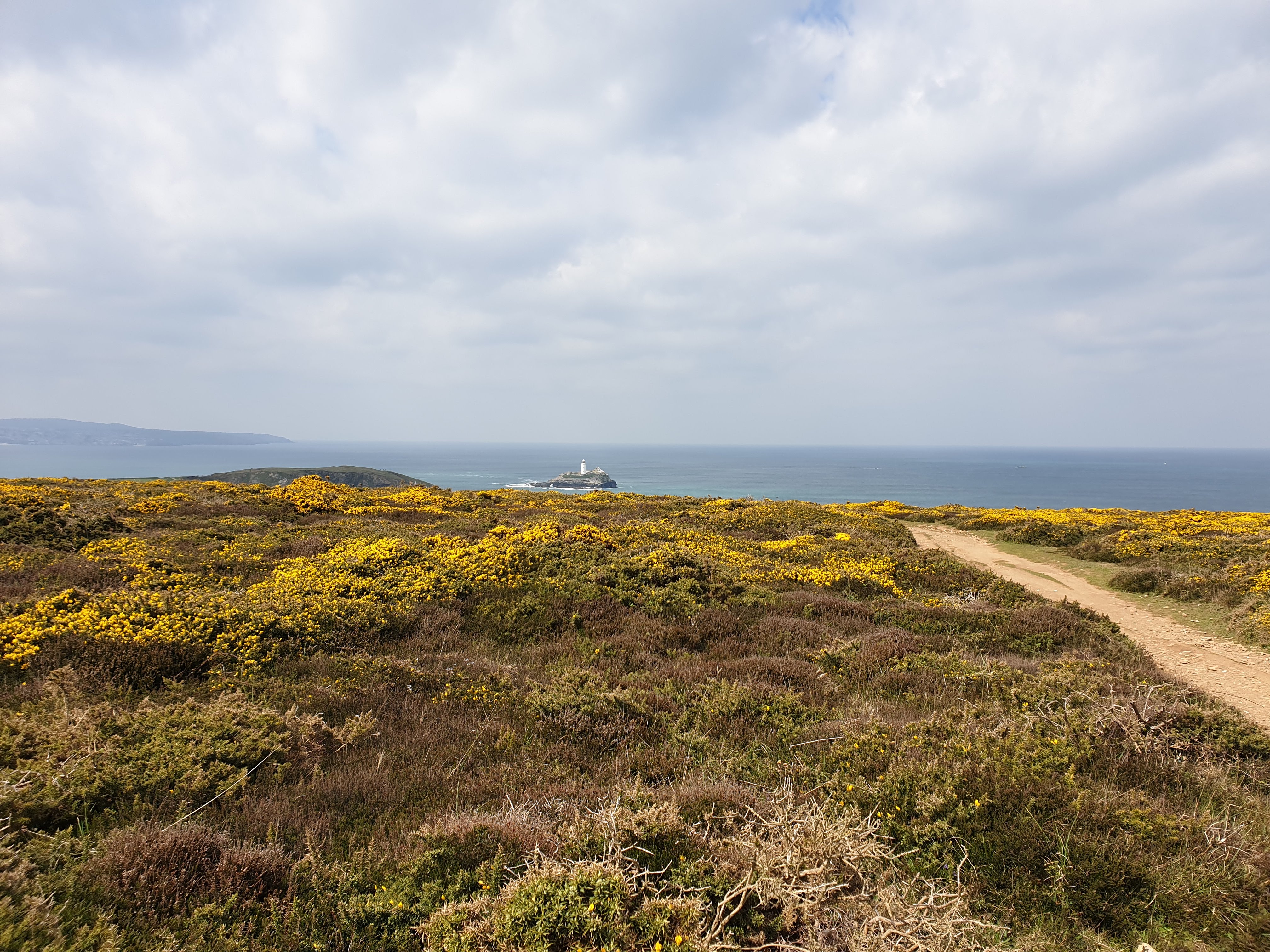
One of my favourite pastimes here is walking the coast. There is a particular stretch I must have walked a hundred times over the years, between Portreath and Godrevy. Since my family moved to Illogan, I have turned it into a round walk, from the top of Park Bottom, through Tehidy Woods to the coast, past Hell’s Mouth and on to Godrevy Point, then back to Portreath.
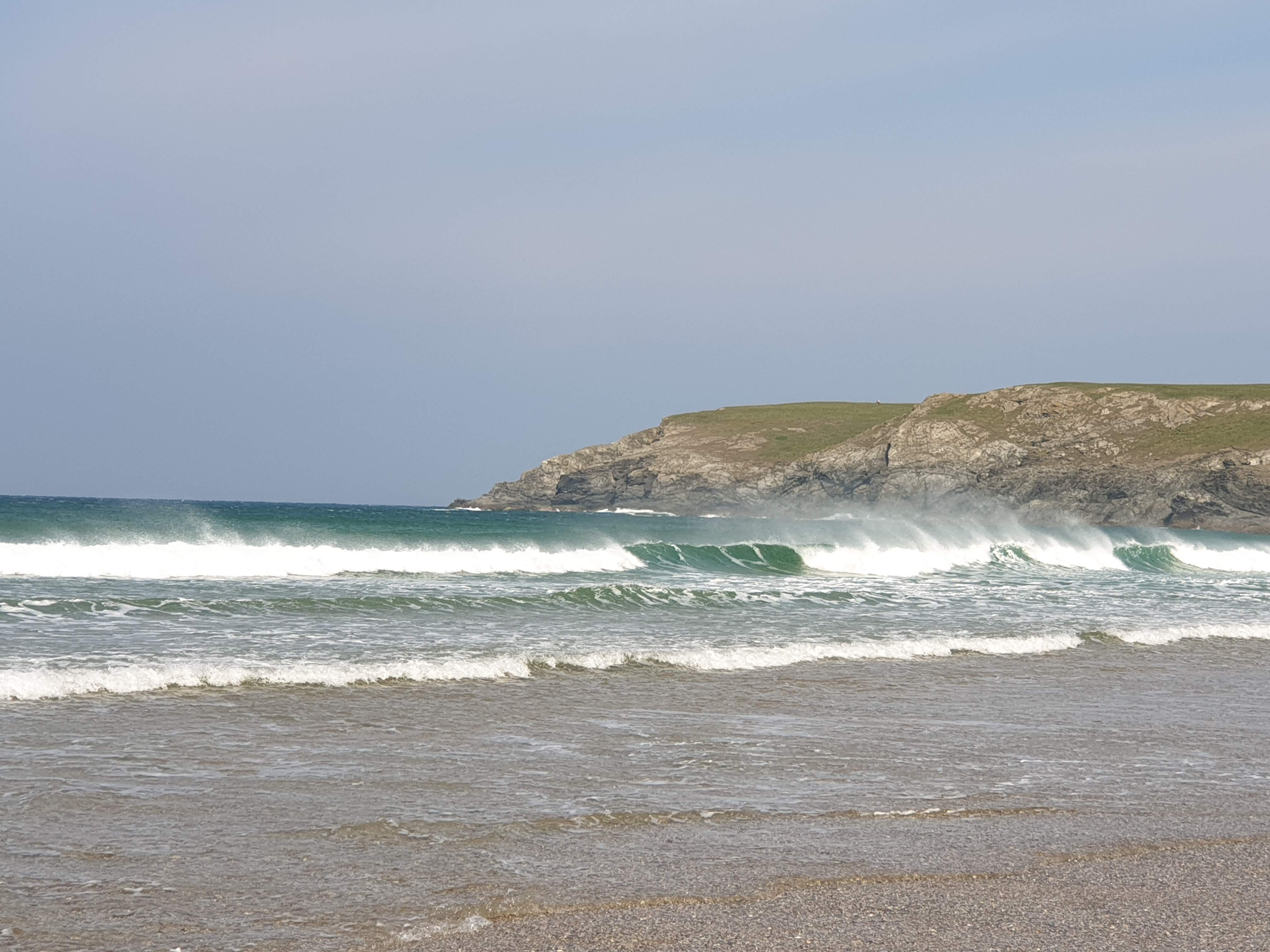
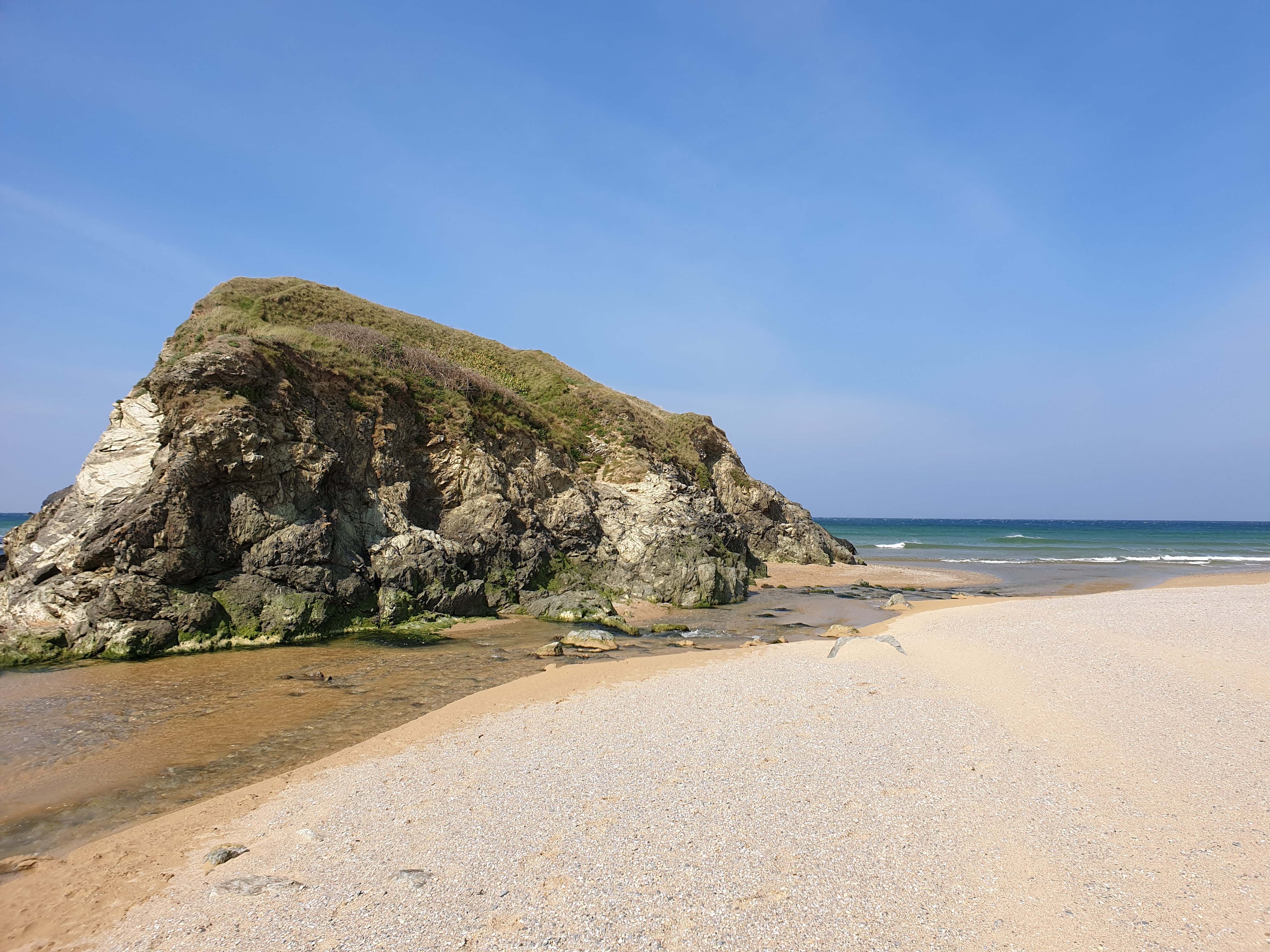
I’ve yet to to do the full round walk on this trip, and might not, but I have made the trip to Godrevy and Hell’s Mouth a couple of times. Here are some photos from my walks over the last couple of weeks, including the seals basking on the beach. I’ve also thrown in a few of Holywell Bay that I only discovered, shamefully, last week.
Cornwall has also inspired a lot of writing, too. This is a piece from a few years ago that was inspired by a walk very similar to those I have enjoyed these past weeks.
The growing clamour for Remain parties to work together to maximise the number of Remain MEPs elected in any European elections is almost too late. The Greens and The Independent Group, preparing to stand candidates as Change UK – The Independent Group, have already rejected approaches from the Liberal Democrats for such an alliance.
Why is cooperation so important?
Voting in the European elections is conducted under the D’Hondt system. If you are looking for a good primer on how it works, the European Parliament’s Liaison Office in the United Kingdom has one here.
It is a broadly proportionate system, but it is not truly
proportionate. It favours
broad coalitions of small parties at the expense of small parties
standing as single entities.
I have no idea why the Greens and Change UK have rejected working together. Perhaps it is out of a cynical determination to preserve party identity or perhaps it is because they don’t understand that this election doesn’t confer the benefits of a preferential voting system like the Single Transferable Vote, where every vote really does count.
In the end, it doesn’t matter.
The Electoral Commission deadlines for establishing a formal electoral arrangement have passed. The Greens and Change UK are refusing to cooperate informally to maximise the number of Remain MEPs elected.
Pause here for a moment to think about the sudden and
meteoric rise of the Brexit Party.
The reason they are in such an electorally strong position is that they can treat any European election as a further referendum. They have their message in their branding. They have a capable, populist leader who has achieved success in previous European elections. And, as is apparent from recent polls, they are basically an electoral coalition. They are harvesting disaffected Tories, embarrassed former UKIPers, probably some Labour #Lexiters, and even those on the left, like George Galloway.
So, what is the answer for Remainers?
Well, if sending a message on Brexit is truly the priority for Remainers, and if they can stomach electing Remain MEPs above their traditional party loyalties, one option would be for Remain voters to ruthlessly game D’Hondt and go around the bickering parties.
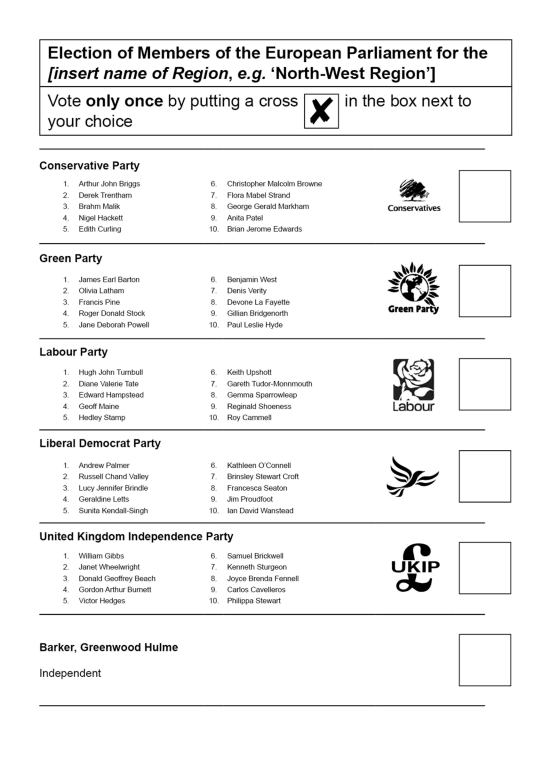
When you go to the polling station, you will be given the opportunity to place one ‘X’ next to the party you want to win. You do not get to vote for the individual parties’ candidates (the only candidates you can vote for are independents without party affiliation). You do not get to offer a preference. You cannot put more than one ‘X’, even if, for example, you want to support both Change UK and the Greens, as you will spoil your ballot paper.
Your ballot paper will look something like this:
The only way to maximise the number of Remain MEPs is to ensure that Remainers vote for the strongest Remain party in each region – and only that party – to avoid splitting the vote and ending up in situation where, potentially, none get elected.
So how could we do this?
Decide who the Remain parties are. My view is that Remainers should abandon Labour. They are negotiating to facilitate a disastrous Tory Brexit. Despite Labour’s Remain membership, leading spokespeople like Barry Gardiner insist they are not a party of remaining in the EU. If this election is about sending a message, Remainers must be ruthless in designating Remain parties, in just the same way that Leavers are ruthlessly abandoning the Tories for the Brexit Party. Unless Labour takes a pro-Remain position, and offers unequivocal support for a further referendum, Remainers should not put their ‘X’ by Labour. That means we are looking – in England – at the Liberal Democrats, the Greens and Change UK, who are working with Renew. (I accept others will make the case to include Labour and perhaps Labour is included in regions where clear Remain Labour candidates top the lists, strengthening the case for facilitating candidate sign-ups to a Remain banner – see below.)
Create an authoritative Remain banner that candidates from these parties can sign up to. We can’t rely on organisations like the People’s Vote campaign or Best for Britain to do this, as they will be restricted on how they can campaign in any European elections. But it needs to become an authoritative stamp of Remain credentials. This should be a clear commitment to a People’s Vote and campaigning to remain in the EU.
Provide an easy and visual way, via a website, that shows two things: a.) who the Remain parties and candidates are in each region; and b.) how those parties are polling in each region. The latter polling point is crucial. It needs to aggregate and interpret the very best and most recent regional polling data to give the clearest view as to which party is leading in each European Election region. When it comes to election day, the party at the head of the Remain queue in each region is the one that Remainers should vote for, whichever party it is. You abandon your party loyalties, hold your nose and vote Remain.
Create a mechanism on the website for individuals to vote match, so they can find solidarity with someone in a different region who is voting for someone they wouldn’t ordinarily (e.g. a Green voter voting for a Lib Dem) and a way to say why. This doesn’t have the same effect as tactical vote-matching in a First Past the Post election, but is about creating a sense of movement, of solidarity across party lines to deliver the message.
This is only one idea. It is
fraught with complications.
Can Remainers organise quickly
and effectively enough? Can they get a single, authoritative banner together
that will encourage candidates to sign-up and drive competition amongst the
parties to push up their campaigning and polling and become the lead party in a
region? Will Remainers really abandon their party loyalties and vote for
parties they may resent over issues like Coalition?
But the truth is, in the absence of parties working together to establish lead Remain parties in each region, Remainers need creative solutions to force an outcome on them and present a serious, UK-wide Remain challenge to the Brexit Party’s simple, hard-hitting Leave position.
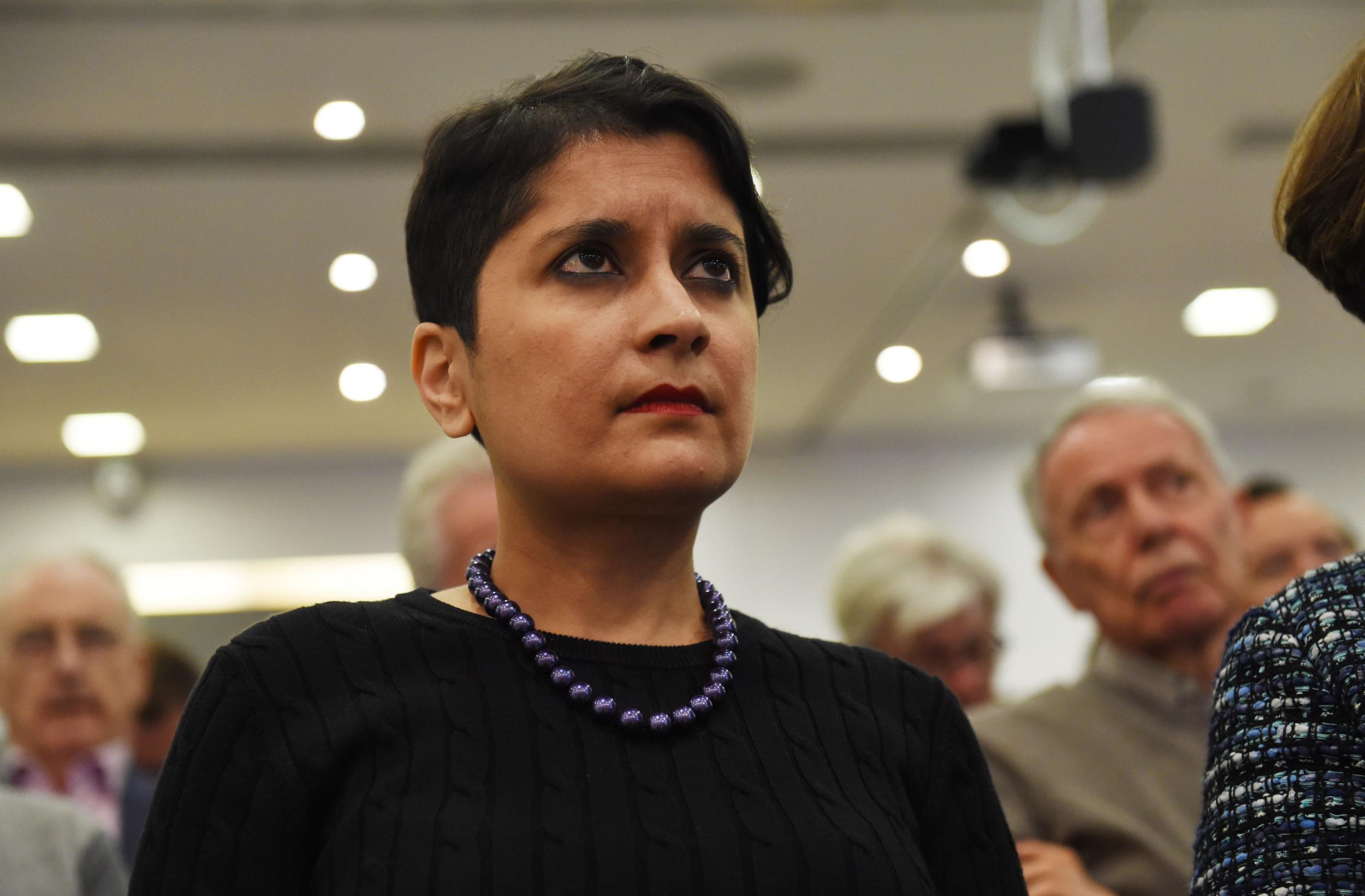
Questioned on a people’s vote on Radio 4, she sounded weak and evasive, unable to address the chasm between her Labour members’ support for a people’s vote and her leader’s resistance to it
This article was written for The Independent and first appeared on Thursday 4 April 2019.
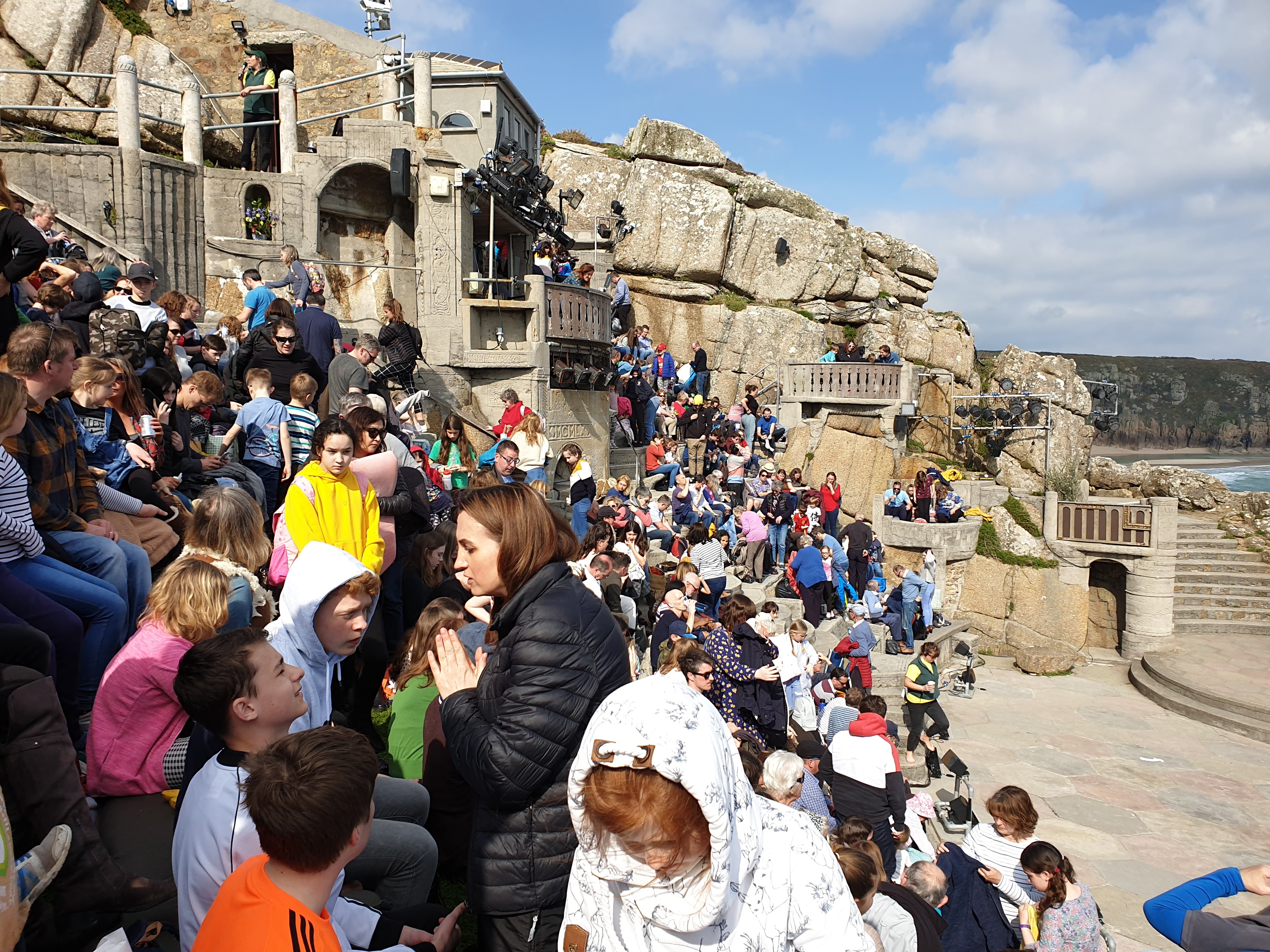
This past Tuesday, along with assorted family, I had the privilege of seeing The Secret Garden at the Minack Theatre.
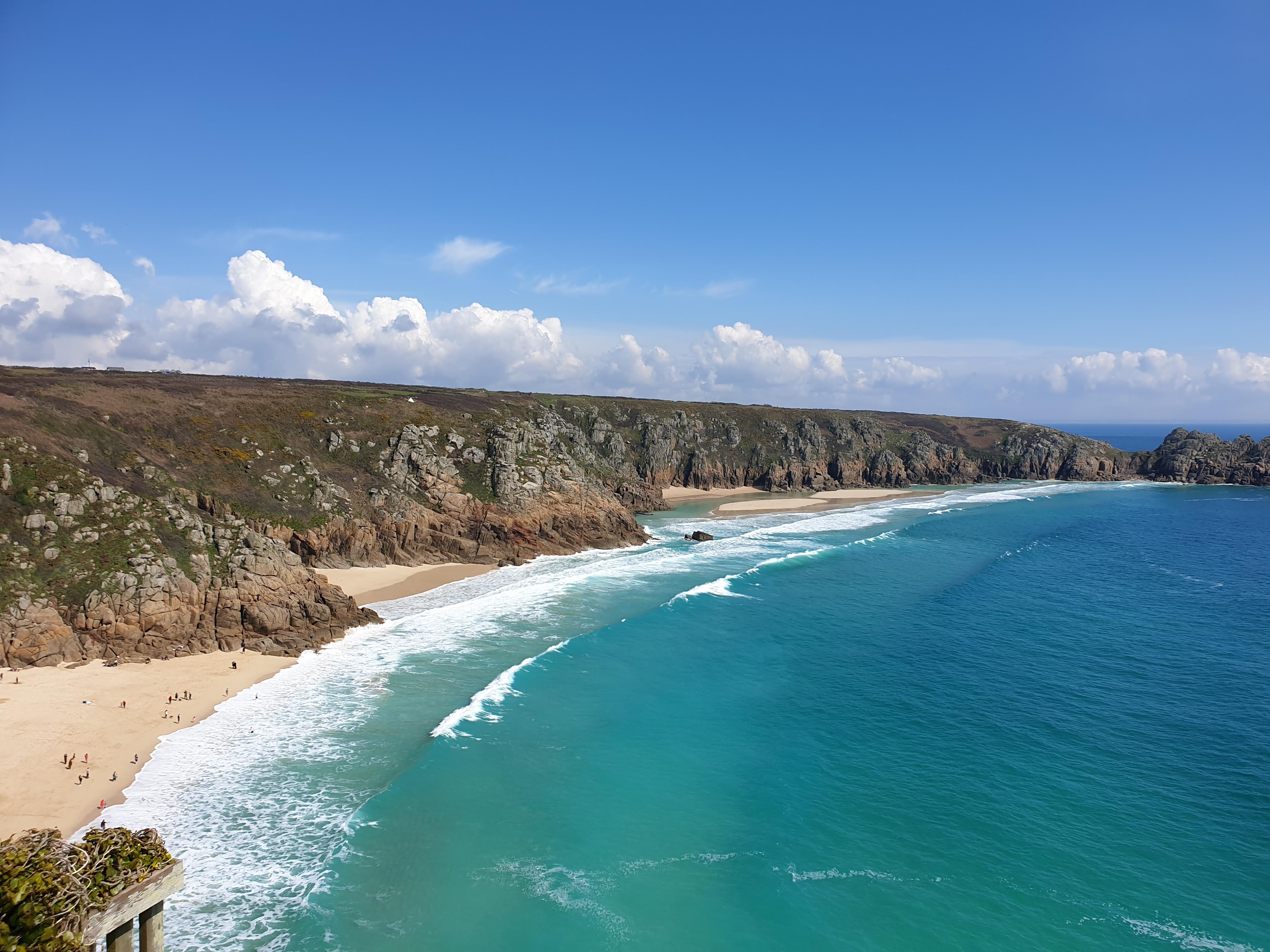
For those who don’t know it, the Minack (from the Cornish meynek meaning ‘rocky place’) must be one of the most dramatic performance venues in the United Kingdom, perhaps the world. Built on a rocky outcrop at Porthcurno, the theatre sits on top of granite cliffs with a sweeping view of the Atlantic, its stage open to the elements. Constructed rock by rock by Rowena Cade and her gardener to accommodate local village players, the theatre’s first performance was The Tempest in 1932.
I realised the last time I had been was 1995, to see The Questors perform Denise Deegan’s Daisy Pulls It Off. On that occasion, we sat there with black bin bags on our head eating a huge Spanish omelette made by our friend Victor, who spoke very little English. Quite what he made of these barely audible schoolgirls pranking each other in the rain, we never found out, but it was surely a very English summer experience.
By contrast, this visit was in stunning sunshine, the kind of April day that teases with the possibility of long hot summer days to come. The site has been considerably developed over the last couple of decades, with a little complex of shops and a cafe. If they were there twenty-four years ago, I certainly don’t recall them.
Jessica Swale’s adaptation of the Frances Hodgson Burnett classic is a superbly paced and good-humoured romp, the energy of the cast, young and old, matched by wonderful, inventive puppetry. Although manipulated by humans, the animals, particularly the fox, are beguiling and the movements uncannily lifelike.
This was the first performance. The younger cast members divide into two teams, Foxglove and Bluebell, for different shows and it was Foxglove for the premiere. Perhaps the standout performance for me was Alina Hulse, whose portrayal of Martha, one of the nurses, was simply superb. She had all the assured presence of an actor twice her age – learning after the show that she was just twelve (my sister, who is an artist and also involved in Cornish theatre knew a number of the cast and the puppet makers). Credit, too, to Juliet Colclough (Mary Lennox), Roisin Bermingham (Dickon) and Harry Ladd-Carr (Colin Craven), for drawing us into the magic of The Secret Garden.
Seeing shows like this takes me back to the 1980s and Basildon’s Towngate Theatre and the shows we did with the English National Opera and the Basildon Youth Theatre.
My guilty pleasure is Overwatch, the fast-paced shooter in which you take control of a hero with a range of abilities and work with your five teammates to secure an objective. In the process, you defeat an enemy team drawn from the same hero pool.
The game has been so successful that it has become professionalised, with the worldwide Overwatch League providing a focus for those players who have turned gaming into a career. Others, like Jayne and Emongg, make livings as coaches and streamers on platforms such YouTube and Twitch, showing off their prowess and advising the rest of us how to improve. They have loyal followings of tens of thousands.
What makes it exciting, is that the medium allows playing fans to engage directly with people they come to admire. Last night, two of my regular hunting crew, Xgod and Lokajosvea, one in Denmark and one in Sweden, were coached by Jayne, from Canada, watched by me, in the UK. For them, it was like an actor and Star Wars fan getting to rehearse with Mark Hamill or Harrison Ford.
Games like this inspire all sorts of creativity, from memes to animations to fan fiction. One expression of such inventiveness is cosplay, with France winning the most recent official Overwatch Cosplay Battle.
My attention though was caught by Irina Meier and Team Russia, the winner of the Community Favourite. They built a full mech suit for D.Va, the hero that I main when we play competitively, that Irina could climb inside.
There are some truly brilliant creatives associated with the gaming industry. The inventiveness and sheer artistic talent of all those involved is worth taking time to appreciate.
I made the mistake of tuning in to the Daily Politics Yorkshire and Lincolnshire today. Ranting presenter Tim Ireland was ‘interviewing’ Rachel Reeves MP and Andrea Jenkyns MP. And as always, the BBC can’t cover Brexit without going to a Leave-voting area, where it indulges in a series of vox pops with middle-aged and elderly white voters ranting about how Brexit should have been sorted ages ago.
In the following ‘debate’, Ireland made that most crass and lazy of statements, which has come to characterise the faux-exasperated style of the patronising pundit: ‘Are you two not hearing what we are hearing on the streets all the time, people are saying “Why don’t they just get on with it?”?’ Of course this is delivered in a manner intended to convey to the viewer that Ireland is of course a presenter of tremendous insight, in tune with the great British public.
Funny how the BBC never seems as concerned with those who voted Remain, or those who weren’t allowed to vote because they were too young and who will be affected longest. Sure, they will get coverage in occasional dedicated features, but the vox pops that litter our screens daily are inarguably heavily Leave-biased.
Both the vox pops and this style of presenting has become a lazy formula for the BBC’s political commentary on Brexit. The only voters that matter for vox pops are outraged Leave voters, whose views are heard sympathetically and then simply echoed subsequently in the studio as if they contain some unchallengeable truth that politicians should address.
Worse, in the subsequent discussion, Jenkyns was allowed to simply make ridiculous arguments by assertion that went unchallenged around polling, about being a ‘democrat’ (implying anyone who disagreed with her wasn’t) etc.
This is what the BBC passes off as political coverage. No debate. No scrutiny of those views. and it treats the public as idiots just as much as any politician from Leave or Remain with hectoring views.
So here are some ideas.
Abandon the vox pops. They teach us nothing, just provide fodder for a lazy caricature of our politics that doesn’t show us anything about what the country is thinking.
Instead, treat the public like grown ups who can make a substantiated argument. When they talk about how things should have been done years ago, challenge them on what they say, ask how it should have been done, take them to task on what they think the answer is. Don’t simply provide a platform for unsubstantiated bollocks. We have Twitter for that.
Subject both sides of the argument to the same level of scrutiny and double-down on any one drawing false equivalences in their arguments, whichever side they are on.
Challenge politicians to produce the evidence for their arguments. If they cite polling, ask them to state what polling that is. If they make crass statements on democracy, call them out.
If the BBC did this, it might begin to have a hope of fulfilling its remit as a public service broadcaster when it comes to the Brexit debate.
My mornings now involve a beautiful commute between Leeds and York. I choose the country back roads over the A64. I like the chance to listen to the best hour of Radio 4’s Today programme and reflect on the politics of the day. (And yes, I appreciate the irony of that first sentence in the context of what follows.)
For as long as I can remember now, it has been a depressing catalogue of various Brexit catastrophes that have shone a spotlight on the inability of our political processes to even organise to take decisions, let alone take them. This morning, though, there were two brief and truly inspirational interviews.
Schoolgirls Lilly Platt (10), from the Netherlands, and Jean Hinchliffe (15), from Australia, both of whom are active organisers of the school strike for climate, demonstrated a level of articulate argument and intelligence that should embarrass our politicians. Along with Greta Thunberg (16), who has inspired school strikes around the globe, and who just yesterday was nominated for the Nobel Peace Prize for her campaigning on climate change, these are young people who have run out of patience with adult failure.
It is easy enough for patronising adults to respond by saying they are jeopardising their futures and should be in lessons. It is easy enough to fret about health and safety (a little ironic in a country where we are doing little to tackle an epidemic of knife crime and have a fondness for an era of British ‘greatness’ when we sent children up the chimneys that part-created this crisis). Their response contains a faultless logic: what future is there if we let inaction on climate destroy the planet?
Here in the UK, Anna Taylor (17) is one of the organisers. She and others, including Greta Thunberg, have restated their reasons for striking in the Guardian. Read it. It is a powerful, powerful piece.
This is not a campaign built around some well-worked theory of change, carefully disseminated and followed after development with well-paid PR companies and strategic consultants. These children speak plainly and bluntly, with passion, and without pulling their punches. It is becoming a global scream of desperation from young people around the world who give a shit and who are mostly not allowed to vote for change. They are seeing politicians of an older generation squander their future, who are either patronisingly patting them on the head, telling them it will be okay, or wringing their hands and agreeing earnestly whilst doing nothing.
And for those who are not paying attention, it is striking how the majority of the organisers are young women.
As Thunberg told the billionaires in Davos:
“I don’t want you to be hopeful. I want you to panic. I want you to feel the fear I feel every day. And then I want you to act.”
Her video is worth watching.
Today will be the largest climate strike to date. Greta,
Anna, Jean and Lilly you are quite inspirational. Keep going. Keep screaming at
us until we actually do something.
You can follow some of these young campaigners here:
After the dishonesty of the referendum campaign, the
simplistic boasts of the negotiations about how easy securing Britain’s future
would be, and the humiliating chaos of parliamentary proceedings on the
Withdrawal Agreement, it is no wonder that the public and our businesses are in
such despair at politicians.
Our politics has failed. There is a piece to be written
about the way in which Brexit has highlighted and increased pressure on the failure
of our democracy and its institutions, but this is not it.
At the time of writing there are just 400 hours until we are
due to exit the European Union. If our politicians manage Thatcher levels of
sleep – which are probably not the most useful preparation for what must be
done over the next 16 days – that leaves just 333 hours in which to do the
work. Those that see theological evils in the European Union can be reassured
that we can’t even do the ‘Number of the Beast’ properly.
Politicians have dressed their failure with all sorts of unicorn promises about better deals (the ERG and Labour), blame for not getting behind the Prime Minister (Remainers, the ERG and the DUP), and consistent can-kicking (everyone). Each of these groups is flailing around and screaming louder and louder as the ratchet of the clock tightens and the scale of the political problems in taking a decision – any decision – becomes clear. Daniel Finkelstein’s article in the Times today demonstrates the political calculations for just the Conservative Party underlying decisions which should be about the national interest in this mess. Similar calculations apply to Labour and in different ways to all parties.
These challenges will form a fascinating and complicated Venn diagram for future students of political science to study. However, there is no time left for that pontification now. Having proved unsurprisingly so comprehensively incapable of translating a binary, advisory referendum into a complex and lasting solution that commands political support, and having destroyed public trust in our politics in the process, MPs have a very small window in which they can show leadership and re-establish any measure of trust.
Today’s Order Paper is depressing. The Prime Minister’s politically confusing motion states the legal reality of what happens if no deal occurs. The response of the senior, cross-party group of MPs, who cannot agree on a way forward, is to kick the can down the road yet again, tabling an amendment that simply takes no deal off the table and ignores that legal reality. And tomorrow the Commons will vote on a motion for an extension and almost certainly do so without agreeing on a way forward that offers clarity to the public or Brussels. Even now, MPs are pretending to the public that we can secure an extension to continue this torturous farce by simply passing a motion in the House of Commons.
It is time for MPs to be honest about the options – and there are only three that make any sense, the Prime Minister’s deal having been rejected by Parliament so completely on two occasions:
A hard Brexit with no deal;
A revocation of Article 50 and remaining;
A further referendum on the terms of the Prime
Minister’s deal or remaining.
It is no good Labour’s lamentable front bench wittering on about another deal. It is no good ERGers bombastically proclaiming there are better ways to negotiate Brexit.
Brussels has been clear: there is no room for further negotiation. None at all. The talking is done.
And there is no extension without a credible and decisive way forward.
Politicians have sold the public varying visions of Britain’s future on the basis of gross oversimplification, to protect their own political interests. They must now grasp the nettle of the consequences of their untruths, and show the public they understand the clear choices they face, however difficult they are to make.
Yes, it will be politically painful. Yes, it might have
destructive consequences for our political institutions – our parliament, our
electoral system, and our failing ‘broad church’ political parties – but that
is the price politicians must pay for their comprehensive failure.




























 Fragments and Reflections